004·Operator, Mr. Tandoor·Chicago, Illinois·Published May 2026·5 minutes
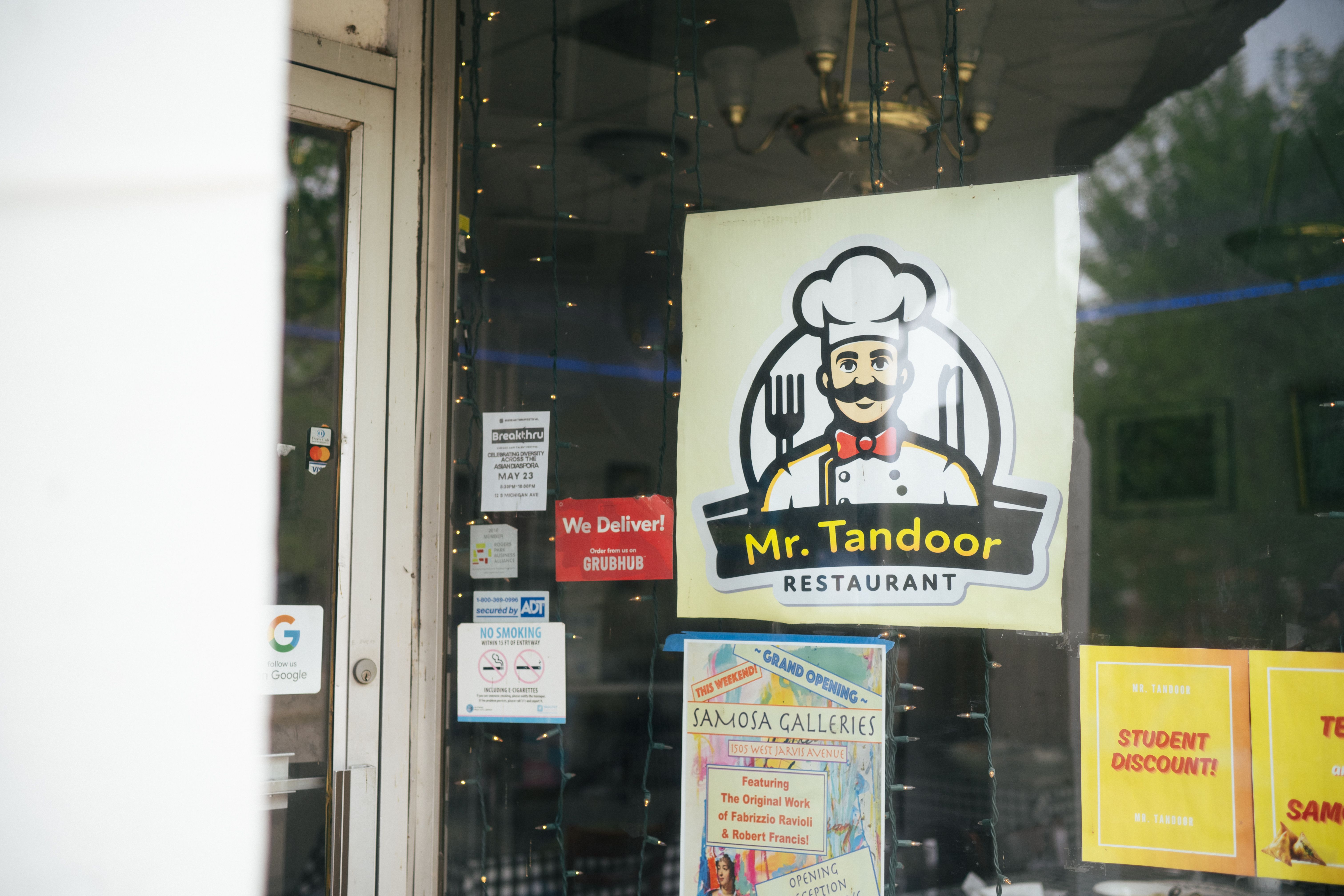
A drawing of Mr. Tandoor

If they spill the tea to me, it doesn't leave this place

How do you decide who to warn about the spice?

I know our desi people eat spicy food. Other cultures, from what I've seen, don't eat that much. So when someone walks in, that's the first thing in my head: what level should I ask about. I'm afraid of people getting food they can't handle, or being allergic to something. If a person says they don't want any spice, I tell them I can't go that low. We marinate the food. There's a minimum.
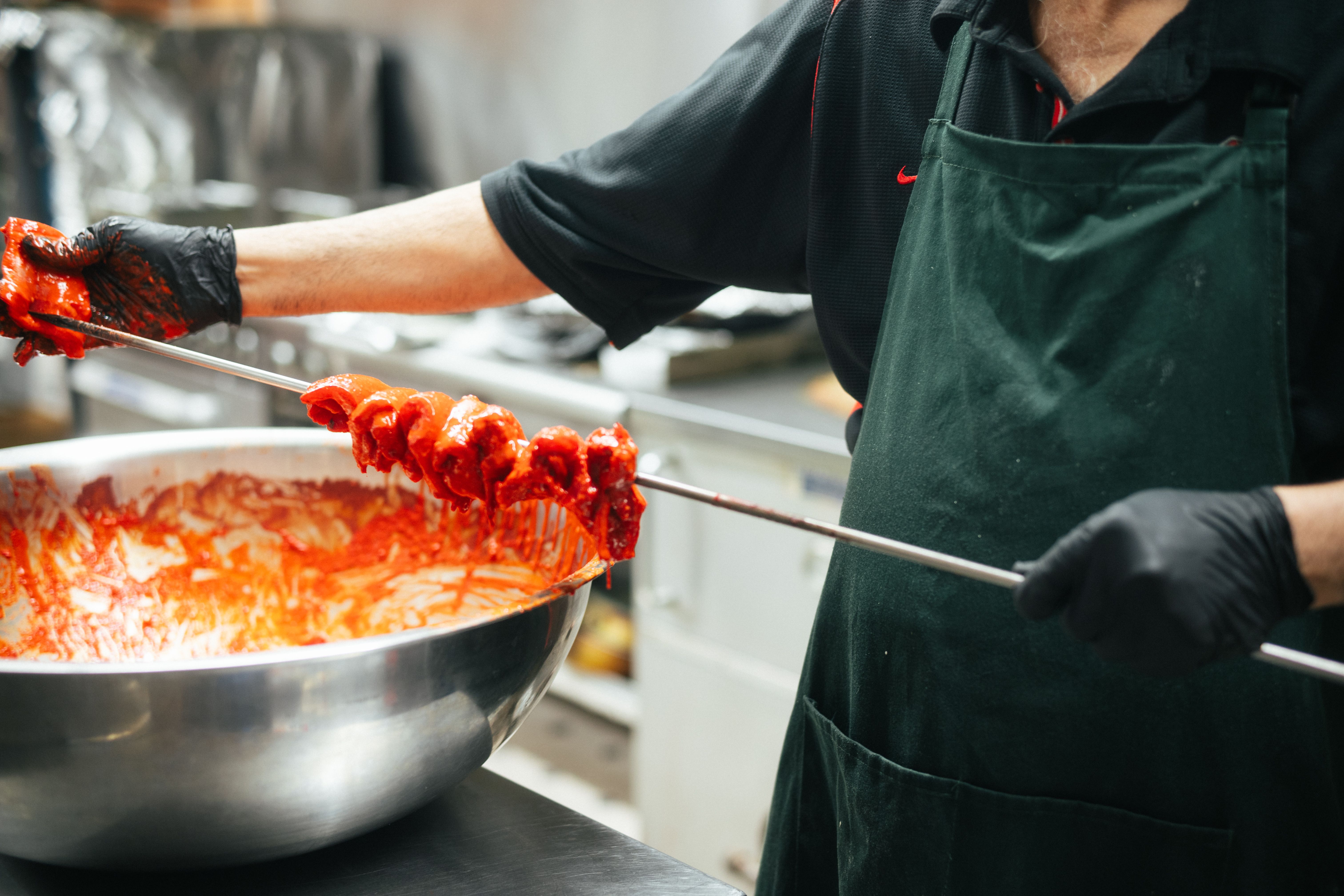
So even the "no spice" version has spice baked in.

Yes. It's already in the chicken before it hits the pan.

Tell me about Mr. Tandoor himself. Whose story is on the sign?

His story is interesting. When he first came to the U.S., he didn't know how to use a tandoor. He needed money, so he went looking for kitchen work, saw a tandoor, and decided he wouldn't tell anyone he didn't know how to use it. The chef said, make something on it. And it's so hot you can't put your hand inside. When someone makes a naan in a tandoor, your whole hand goes in.

He called his wife. She said, just make it like roti, one second on each side. First one, second one, third one. Forty in a day. That's how he learned. Then it was restaurant to restaurant, getting better. Eventually he didn't want to work for anyone anymore. He wanted people to know he was the one. So he started searching online, landed in Chicago, and opened this place about two years ago.

Where did the name come from?

He didn't know what to name it at first. Someone asked him what he was going to call it, and he thought, where did I start? It clicked. Tandoor. So, Mr. Tandoor.

Mr. Tandoor shows off his chicken

What does a normal day at the restaurant look like?

We're here by ten in the morning. Before that we wake up, do household stuff. At ten, prep starts. If something needs to be marinated, that's two or three hours. Some things marinate overnight. Orders come in, so we're doing two things at once.

What's something about prep most customers wouldn't guess?

He cuts all the chicken himself. Not pre-cut. A lot of places buy meat and ask the supplier to cut it, but he does it here. The samosa dough, all of it, made here. Nothing pre-cooked.

What's the dish people order most, versus what you wish they'd order?

People are most familiar with butter chicken and tikka masala. I try to get them to try other things. One customer started with butter chicken, came back, and I told him, you can trust me, try chicken pickle masala. Every dish here has a different flavor. They're scared, though. If they don't like it, the money's wasted.

Mr. Tandoor place of order

What would you put in someone's hand if they let you choose?

Achari chicken. It has pickle spices in it, so it's a different flavor from chicken tikka. That extra touch. Or chicken biryani, but most people already know biryani. Aloo naan, though, almost nobody knows. That was my breakfast as a kid. When I get someone to try it, they come back.

What about lassi? Most people order mango.

Plain lassi with salt is so good for your health. Refreshing in summer. Honestly, I don't like the saltiness myself, I prefer sweet. But it pairs with paratha at breakfast.

Is there something on the menu people consistently get wrong about?

They're two different dishes. Most people don't know because nobody told them. Before us, an Indian woman ran this restaurant for twenty-six years, and people got used to saag paneer here. But what most places serve is closer to palak. Saag and palak aren't the same thing.

How do you get someone to try something past butter chicken?

Mondays, four to eight, we do a thali at the bar. One chicken, one vegetarian, rotating through everything we can make. Keema, whatever we have. It's a way to put different things in front of people without them having to commit to a full plate of something they've never tried.

Working a counter, you deal with people at their worst sometimes. What's a moment you had to manage your emotions?

There are many. One I remember: a guy came in near closing. I take most of the orders. He asked what biryani we serve. I told him, only chicken biryani, it's on the menu, no lamb, no other kind. He ordered it to-go. Later I saw his review saying we gave him the wrong biryani, that he'd called the inspection people. Then he came back at night to fight. He was cursing. I was trying to talk him down. Lamb biryani wasn't even on the menu. I always repeat orders two or three times so this doesn't happen.

Did he take down the review?

No.

That's brutal. What did you take from it?

How to stay calm. That's the best thing you can get out of working like this. If you want to do anything in life, you have to go out, you can't just get a degree and sit at home. You learn things you can't learn in class.

What about regulars? Who do you remember?

I don't remember every face. But the woman who came in earlier, I remembered her. The first time someone comes in I'm focused on the order. The second time, I know what they had. If someone comes back after three or four months, I remember them. With her, I remembered she had a health issue and couldn't eat spicy food. So while she was eating, I kept asking, are you feeling it? Are you okay?

Has anyone become a friend through this place?

It's not that someone becomes one, exactly. It's that I can talk with them. Whatever they want to tell me, they tell me. I'm the friend people are looking for. If you have something in your heart, just pour it out. I won't judge. I won't repeat it. Closed mouth.

So you're selling more than the food.

If they spill the tea to me, it doesn't leave this place.

What about people who want soup? Is there anything like that on the menu?

They ask. The way I present it: we have daal masoor, made from red lentils. It's soupy. So I tell them, we do have one dish that's like that, called daal masoor. They divert. They go, okay, let's do that.

That's a sales move.

Someone told me: when you're selling something, make people know that what you're selling is the best they cannot get anywhere else. That's how I think about it for everything here.

You mentioned you don't want to just be "at a job" later. What do you want?

I want someone to say, you should meet her, you'll get good life experience from her. Not, oh, she works at this place. The outside world doesn't reward soft and kind right now. They want strong. So I'm trying every day.

How's the restaurant doing, two years in?

People around here mostly know it now. Business is slow sometimes. Marketing is always an issue. We have flyers, but the people who do real marketing want money the restaurant cannot pay right now.

What are Mr. Tandoor's goals from here?

Any business person wants to grow, open more locations. He's getting older, a little tired now, but he has the skill in his hands. He still wants to grow.

What should I ask the next person I interview?

Ask them: when a customer is angry, what do you actually want to do in that moment? Not what you do. What you'd do if no one was judging, if there were no consequences. That answer tells you something.

All conversations