002·Co-owner, Endless Grind Coffee·Aurora, Colorado·Published May 2026·5 min read
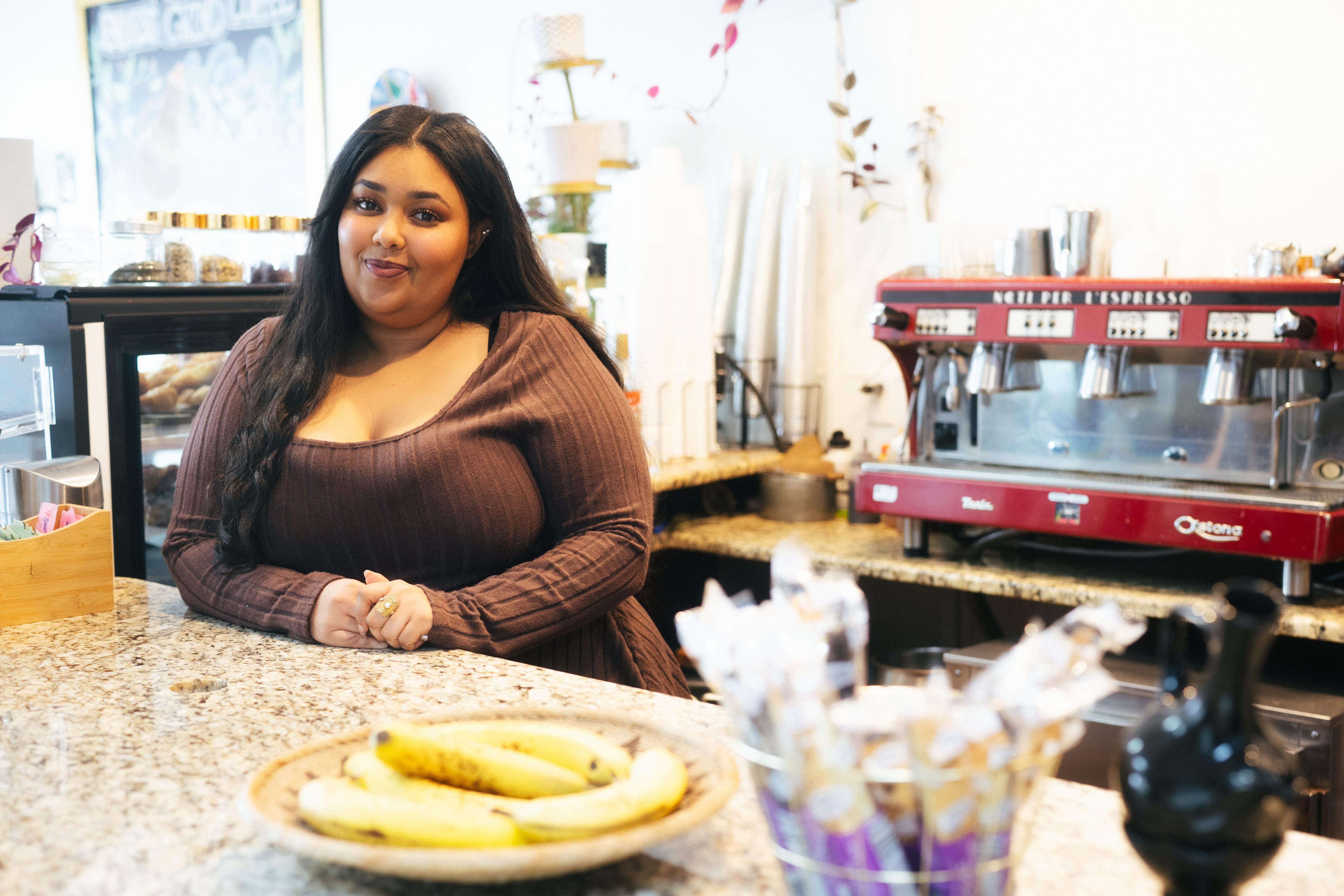
Hewan Kassa behind the counter at Endless Grind Coffee

Five minutes can change people's lives

What's the story of this place?

So we opened this place in 2017, the end of 2017. I graduated high school earlier that year and went up to school in Boulder at CU. I was actually working at Whittier Cafe. My mom is a hair stylist, and she was looking for different business ventures. Casually in high school I'd said, oh, I'd love to open a coffee shop one day. So her and Malitzi, the owner of Whittier, were talking, and she's like, why don't you open a coffee shop? And my mom was like, Hewan did say she wanted to do that.

My mom is one of those people; she'll think of something and just make it happen. People ask how she does it. She doesn't do seminars. She just does it.

So I was up in Boulder. I used to come home during the weekends a lot. It was a Friday at noon and I called her. She was like, I'm at this coffee shop, can you please come? I was like, no, send me the location. It was kind of out of the way and I was tired. She's like, just come. So I came. It ended up being this location.

She didn't say anything about wanting to buy it. Nothing at all was said. We drank coffee here, chilled, and left. That Tuesday I was back at school and she was like, hey, remember that coffee shop? What if we buy it? I was like, who's "we"? I just started school. I was literally a freshman in college.

A week later she was like, hey, we're buying the place. I'm going to the LLC place right now. And I don't have a name, so you have 30 minutes to think of a name.
Why the name Endless Grind?

I was in college, thinking of coffee, grounds, grind, and I was like, Endless Grind. And it was for my mom. That's what she is. She's on the endless grind. And I was in college, so our life was very endless grind.

What was the beginning like? In terms of running it, the growth, the challenges?

So we ended up taking over from the guy who owned it before. It was his dream to open a coffee shop, but he was also in the medical supplies tech world doing really well. This was a side hustle. He loved the idea of it. He put his heart and soul into building it out. But when we took over, it was like $100 a day in sales and they were open 12 to 13 hours. Not even covering employees' wages. He was hemorrhaging money, going out of pocket for about eight months. He just couldn't live like that anymore.

Would you say your life still is an endless grind?

Sometimes. I joke. I went ahead and called this Endless Grind, and God made sure I was grinding for the rest of my life. But yeah, for sure.

What are you particularly passionate about in the context of being a coffee shop owner? Is it owning and building something? Is it coffee? What makes it meaningful?

I'd split it into three: coffee, community, culture.

Coffee. The biggest thing for me is fair trade, organic, sustainable. I want our farmers, the ones we work with. We know the farmlands our coffee comes from. Coming from Ethiopia, coffee is one of the biggest outsourced things for Ethiopia. To see how much money everybody else makes from coffee except the people that actually produce it on those farmlands; that's a big thing to me. If I could be a part of building sustainable living ways for farmers, that's my coffee aspect.

We roast all in-house. We're one of the only roasters in Aurora. When we started we were the only roasters in Aurora, Colorado. And we were the only Black women roasters in all of Colorado.

And coffee comes from Ethiopia. It's such a big part of our culture. There's a story of Kaldi, a goat herder going through fields with his goats, and they come across this coffee plant. The goats started eating it and started jumping around, hyper, not sleeping, out of control. The herders were like, what is going on with our livestock? They figured out it was what they'd been eating. That's how they found coffee.

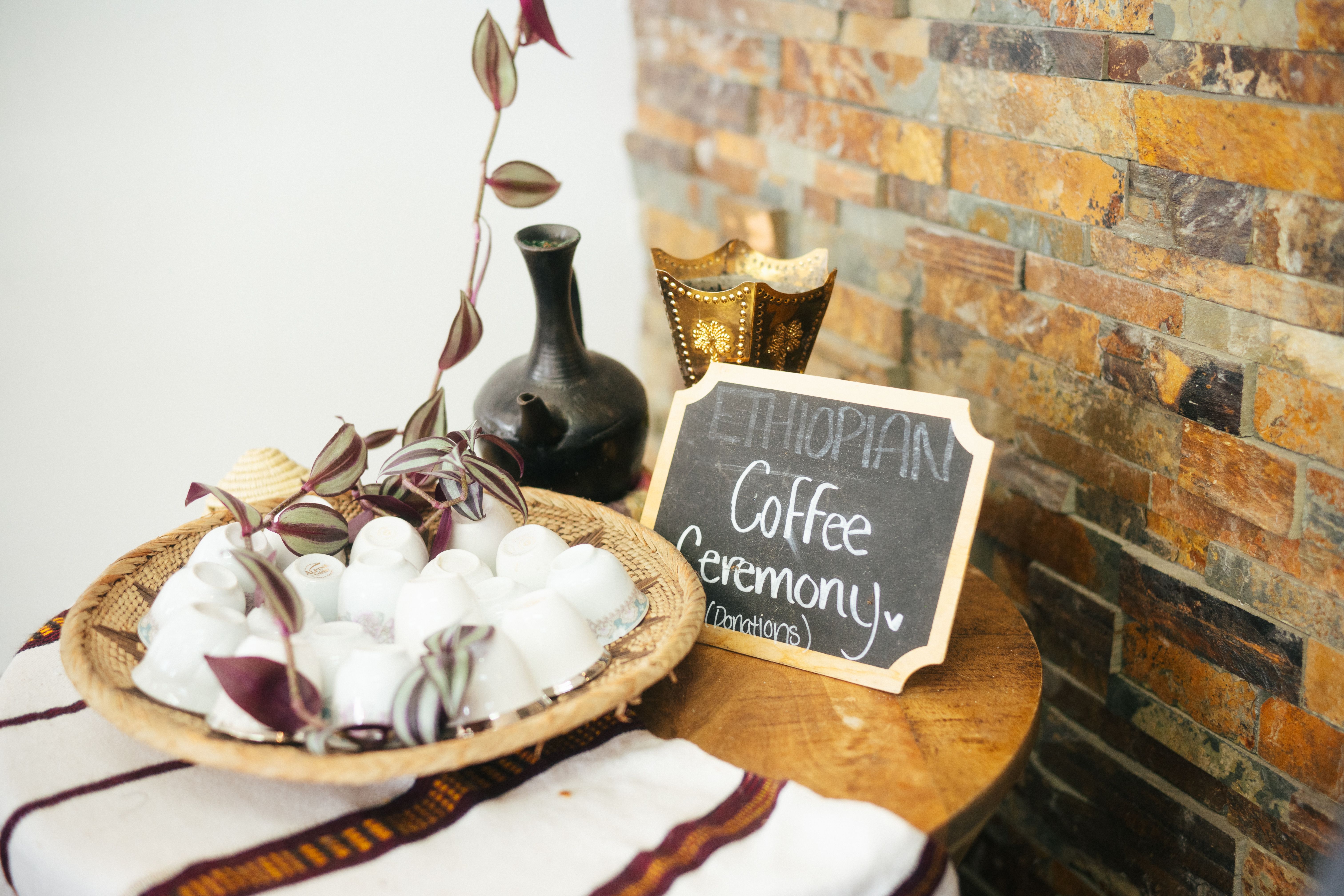
Coffee is such a big part of our culture. The coffee ceremony. I always compare it to the family dinner table for Americans. It used to be every night you'd see your family at dinner. That's your time to decompress and come together. Coffee is that for us culturally. The ceremony is minimum an hour. During that time, friends come together, family comes together. It's what brings everybody together.

And for community?

On the community side, if you're meeting somebody at a coffee shop, it's always conversations. You have no idea. Sometimes it'll be a full house and I'm like, some of these people could be strangers, some could be on their first date, some are having a job interview, some are building a business, some are in school. So much happens in this little space. There's a beauty in providing a space for your community where people let their thoughts and their ideas just be.

It's a place where people slow down. The American lifestyle is so go, go, go, go. A local coffee shop is different than a drive-through. It kind of forces people to slow down a little bit. You might wait 10 minutes for a coffee, 15 minutes, which is ridiculous for a lot of people. But it kind of lets you slow down.

Do you have a sophisticated palate for coffee?

I feel like everybody in the coffee shop world, it was created for the love of coffee. It wasn't for me. For me it was the idea of what coffee is. It's like a meal. People think of food, and yeah, it satisfies your hunger, but food will always bring people together. That is coffee for us.

That's what pushed me into this industry. If people give me drip coffee to this day, this is so embarrassing, people will be like, oh, I can taste the berry notes. I'm like, still? I'm like, cream, sugar, or something, guys. Help me out.

Are there any customer interactions that really stand out to you?

Our customers are so nice. It's so communal. People over the years have really become family. It feels like they're actually my friends. And it happens naturally. It's not like I'm sitting here wanting to be people's friends. You come back multiple times and you might tell me you're on the way to a job interview. Next time I see you, I'm like, how'd that go? Even if each conversation is less than two minutes, when you see somebody so often and become a little part of their day, that builds the community space.

I always work on Saturdays. If I miss a couple Saturdays, my customers walk in and say, so what'd you do last weekend? They're like, well, we didn't see you last week.

Can you tell when someone really needs the interaction?

Sometimes I can tell I'm the only person someone's talked to that day. Something so small and so short, but if you can walk into a place and get a friendly smile, sometimes that's all people need to get through their day. America is such a lonely life. It's so easy to have a lonely lifestyle because it's so individualistic. You go to work, you go home. We don't live in a communal society. I don't care what anybody says. We just don't, compared to foreign countries. When you pick up on the fact that people really have nobody else to talk to, it makes you... I don't know. Even just these small interactions. Five minutes can change people's lives.

Any specific stories?

I had this girl from Kentucky who came in and was working out of here for a week because she was on vacation. She said it was always her dream to open a coffee shop and she loved this space so much. She went and ended up opening her own coffee shop.

Another customer. She comes in once a week, gets pastries. She came in one morning, a little more quiet than usual. I said hi, how are you, and she said, I'm done with my job. She usually doesn't rant; she probably said 10 seconds of words. I asked her a question, and she said yeah, I'm going to think about that. Then I rang her out and put a discount on her thing without looking at the total. It was angel numbers. She looked up the angel numbers and it was like "time for a change." She came back a week later and said she quit. She said, you asked me a question and I felt like it was a sign, and then the transaction total were angel numbers that told me it was time for change. I think I said something to her on the way out and she started crying. She was like, you really inspired me. That whole interaction was less than five minutes.

All conversations